Do you eat bass? Or maybe the better question is: Should you be eating bass?

HOF Newsletter Spring April 2025
April 30, 2025
HOF Inducts Three New Members
November 1, 2025
If you bass fish, chances are you live by the “catch and release” mantra. You probably don’t eat bass and might even look down your nose at people who actually do eat bass.
Tournament anglers and bass anglers have their opinions about eating bass. Many of them do not want to kill the fish that helps them win money on weekends or for a living. They see “catch and release” as the only way to go.
But is it the right way to go to ensure strong fisheries? If you ask the opinions of fisheries biologists, they will say that bass anglers need to do their part in “culling” or eating bass, especially in bodies of water where there is an overabundance of small bass.
I recently attended Black Bass 2025 in San Antonio. It was held in conjunction with the American Fisheries Society convention. This annual meeting brings together fisheries biologists and higher ups from state fisheries management groups. The Black Bass 2025 was a roundtable that featured representatives from the fisheries side and folks from the sport fishing industry.
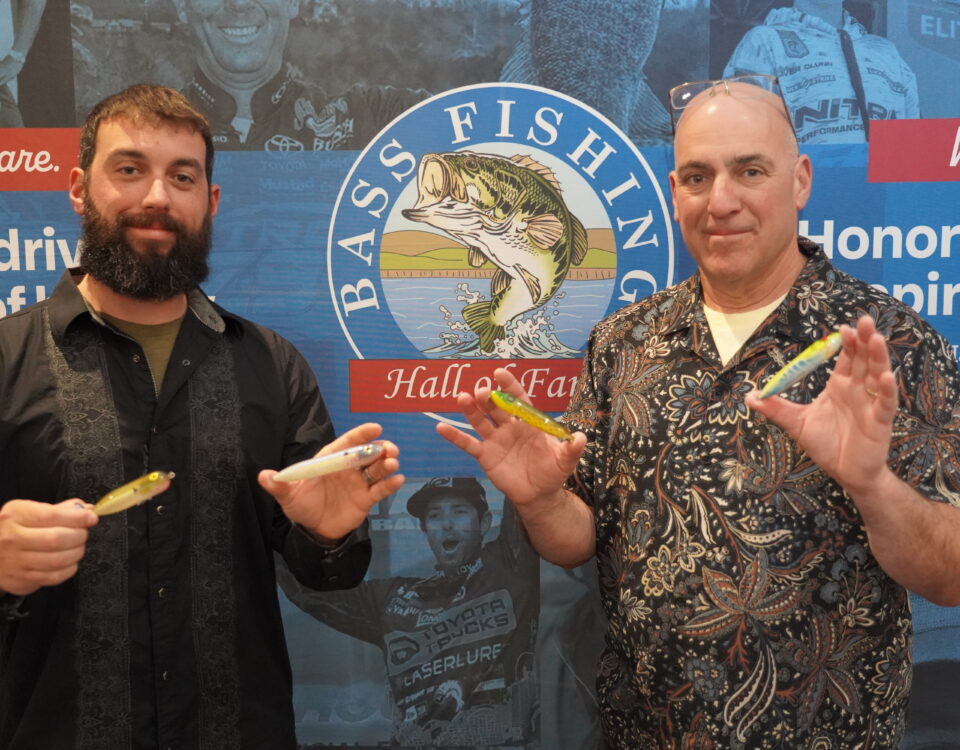
The Bass Fishing Hall of Fame was well represented by Executive Director Barbara Bowman plus board members Steve Bowman (B.A.S.S.), Gene Gilliland (B.A.S.S.), Tom Lang (Texas Parks and Wildlife) and me (PRADCO).
Getting the chance to sit with biologists and fisheries experts from many states, I realized their pain points are a lot different than mine. My company is trying to innovate fishing lure development in brands such as YUM and BOOYAH and sell quality products to Walmart, Bass Pro Shops, Academy and national distributors and local dealers. The fisheries folks are having to deal with issues such as invasive species, climate change, tournament ethics and so on.
With so many major issues being discussed, I wanted to give Gilliland, a lifetime servant in the fisheries biology game, the opportunity to discuss some key subjects affecting our bass fisheries. Gilliland is the National Conservation Director for B.A.S.S. and worked for 32 years for the Oklahoma Department of Wildlife. He was their Assistant Chief of Fisheries for many years and authored the book, “Keeping Bass Alive: A Guidebook for Tournament Anglers and Organizers.
Stanton: It seems like many bass tournament anglers are not interested in eating or culling bass anymore. Why would this be helpful to manage our fisheries if bass anglers would keep a limit of bass to eat once or twice a year where they fish?
Gilliland: It’s not just tournament anglers. The catch and release mentality has caught on so strongly among the huge majority of bass anglers that length and bag limits have become irrelevant in many situations. That tool has been removed from the manager’s tool box. We need to promote “Selective Harvest,” the term coined by In-Fisherman years ago, that encourages catch and release where it is appropriate and necessary to maintain the size structure of the bass population by releasing the larger bass. But in other situations, keeping smaller, more abundant bass (more harvest) is needed to reduce competition for food and increase growth rates to improve the quality of the bass fishing. We need that catch and release pendulum to swing more back to the middle.
Stanton: It also seems like some bass anglers like doing their own stocking programs, such as moving species of bass from one state’s waters to another. In the case of Alabama Spotted Bass, particularly in North and South Carolina, why is this not a good thing?
Gilliland: Bait Bucket biology (or in this case, live well biology), has become a very serious problem. Moving species where they are not native might seem like a good idea to help a failing fishery, but anglers don’t understand the unintended consequences. In the case of Alabama Bass, they think that transplanting them to their lakes will result in big, fat “Spotted Bass” like they see from the Coosa River and Lake Lanier — when in almost every other case, these introductions have resulted in disastrous impacts on the native bass. Alabama Bass hybridized readily with other bass and in many places have completely eliminated native Smallmouth, resulting in a population of small, slow growing mixed breed runts. Managers across the Southeast and beyond are scared to death that anglers will continue to move these fish, threatening especially Smallmouth Bass populations like those in Tennessee and Kentucky (they are already in the Tennessee and Cumberland River drainages . . . think world record Smallmouth Bass in Lake Dale Hollow).
Stanton: Tournament mortality is also an issue. What is a good rule of thumb to follow when managing bass tournaments, such as water temps / hot months that should be avoided to keep bass healthy? (Seems interesting that bass anglers don’t want to cull fish or eat them, but they don’t have a problem putting them at risk in July or August when water temps are into the 80s and 90s!)
Gilliland: Tournament-related mortality is more a social problem than a biological one in most instances. That said, dead bass floating at the boat ramp are not good no matter how you look at it. Obviously, avoiding those extreme conditions in the hottest times of the year will help, as will changing to a catch-weigh or photo-release format. But anglers (and tournament directors) can still hold tournaments in the summer and reduce impacts on fish populations if they follow recommendations like reducing bag limits, shortening tournament hours, and especially by following the recommended protocols in Keeping Bass Alive .
Stanton: Are there any other important things that bass fishing consumers should be aware of as it relates to fisheries management?
Gilliland: Black bass management needs to be a collaborative effort between biologists and anglers. And that means getting involved in the process. Getting educated on the facts (not what misinformation is flying around on social media). Anglers need to be advocating for scientific fishery management, fighting invasive species, protecting and enhancing fish habitat and water quality, promoting sound aquatic vegetation management practices, securing angler access to public water, and educating themselves and others on fish-care best practices. Get involved in the hands-on management of their lakes, rivers and reservoirs and don’t be afraid to fight those political battles to protect our aquatic resources, access to those resources and the sport of fishing that depends on those resources.